YouTube
Fish & Index
Harpoon a Fish Fish and Index: Collection and Sea Monsters
Turn the fish collection into a target you can actually pursue. Read the species, rarity and weight of a catch, choose a missing index entry and decide whether the next goal is discovery or pet development. Sea-monster guides connect deeper reach with the ordinary capture sequence instead of skipping the reel.
Choose the next taskOpen the answer matching the fish, pet or purchase decision in front of you.
Choose your question
Each destination adds the action or decision named in its preview.
Fish Index
Use the the game index to turn a large collection into a reachable next target, and read species, rarity and weight.
Open Fish IndexRare Fish
Pursue rarer fish in the game by separating deeper-water discovery, mutation bonuses and aquarium evolution into.
Open Rare FishCatch Sea Monsters
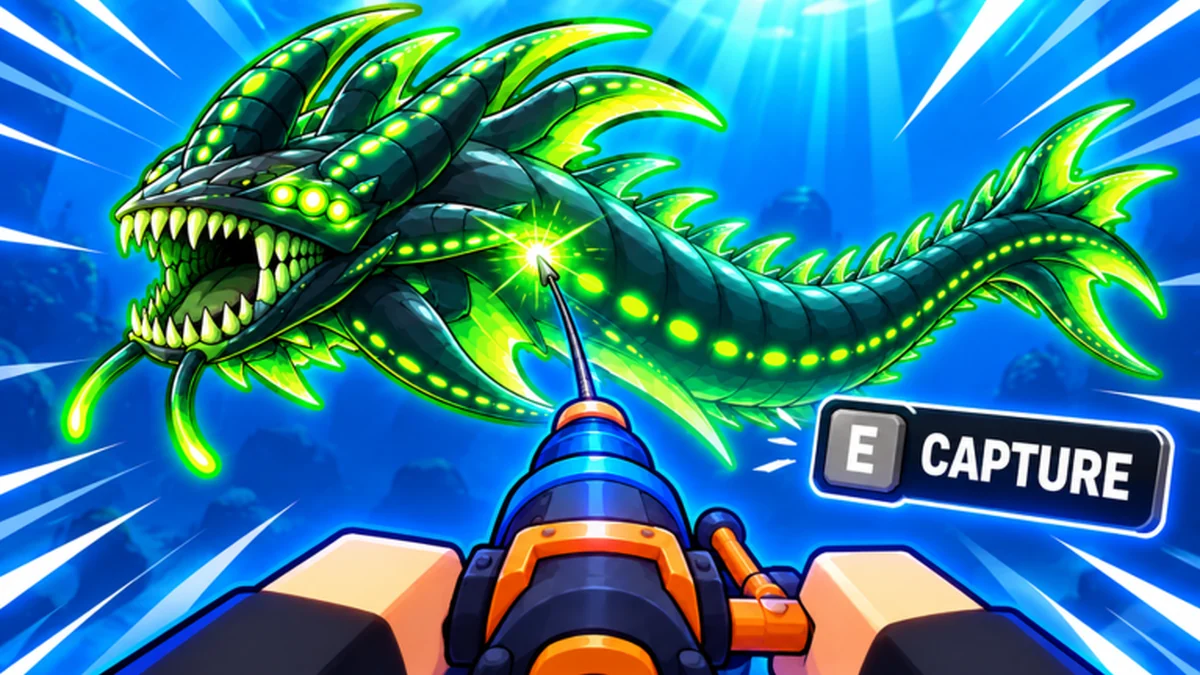
Prepare a reachable sea-monster target in the game, use the active harpoon set and finish the timed reel before.
Open Catch Sea MonstersFish & Index articles
Every guide in this collection, with its own next-reading task.
Guide
Catch Sea Monsters
Prepare reachable water, active harpoons and a manageable capture attempt.
Guide
Complete Fish Index
Choose a missing entry and make the next dive serve that collection goal.
Guide
Fish Guide
Read a fish’s species, rarity and weight before choosing its next role.
Guide
Fish Index
Check species progress and separate a new entry from a heavier duplicate.
Guide
Fish List
Use the in-game collection and catch information to choose the next target.
Guide
Rare Fish
Separate deeper discovery, mutation chance and evolution of a kept pet.
Guide
Sea Monsters
Connect deeper access, contested captures and developing a caught sea monster.
How to use these fish & index guides
Fish Guide explains the roles of a catch: the completed attempt, a collection entry and a pet you want to keep. Fish List gives recognizable tutorial names and a way to read the wider index. The index guide then focuses on choosing the missing species that makes the next trip useful.
For a longer collection project, use Complete Fish Index to organize reachable goals and the character progression needed for another depth. Rare Fish separates deeper discovery, mutation bonuses and aquarium evolution. The sea-monster capture route gives a new creature attempt a clear beginning, result and pet or collection follow-up.
Harpoon a Fish tutorial and island menus
Follow the capture and island loop, then use a focused guide for the next task.
Continue a related task
Catch FishCatch fish in the game by connecting the harpoon, completing the timed reel and returning with a fish you can place.Dive DeeperReach deeper water in the game through weight progression, then plan a catch, a return and the next useful.AquariumUse the aquarium in the game to place caught fish, grow pets and choose between developing the tank and pursuing.
Fish & Index questions
Is a heavier catch always a new index target?
Catch weight describes that fish. Use the species and the index to answer the separate question of what your collection still needs.
How do sea monsters connect with pet growth?
The creator advertises discovering creatures through deeper diving and evolving kept fish into bigger and rarer pets. Choose the task for the fish you want next.
Choose one useful next goal
Continue with the specific answer you need, or return to the first-session route when the whole loop is new.